A Cocktail Party in Fitzroy
JJ Splice was born at an outrageous cocktail party in Dean Francis's attic on Nicholson Street, Fitzroy. Dean had recently sold off all his VHS equipment, sworn to shoot only on film from then on, and picked up a stash of Jonny Holmes's 1970s super 8 porno films at a flea market. On the night of the party, he projected them out the attic window onto the wall of the adjoining building — a billboard-sized porno screen that stopped traffic in the street below.
The party itself was built around a wall of cocktail recipes, which guests could follow to make their own drinks. Among them were Melbourne filmmaker and poet Adrian Rawlins, and Dominic McDonald, who Dean would go on to collaborate with for the next twenty years. Dean was still hunting for a name for his fledgling production company, so someone suggested a glacé cherry, thrown blindfolded at the cocktail wall — whichever recipe it landed on would be the name. The cherry narrowly missed Slippery Nipple and landed instead on JJ Splice: a sickly-sweet pineapple and cream cocktail nobody would ever actually want to drink.
Super 8, 4-Track, and a Bolex 16mm Camera
The name came before the filmmaking really did. Not long after the party, Dean wrote, directed and shot Cult of Beauty, set in a dystopian world where heterosexuality had been outlawed — shot and edited entirely on super 8, with a soundtrack built on a 4-track cassette recorder that had to be manually synced to the projector at every screening. It was a local hit, and it pushed Dean straight into his next film.
Escape From Hell was also shot on super 8, but this time telecined to Super VHS so it could be cut on an A/B roll tape-to-tape edit suite. It became Dean's first festival acceptance, screening at the Turin Lesbian and Gay Film Festival — a festival he'd return to years later with Drown — and going on to play numerous international festivals, most notably winning an award at the Mardi Gras Film Festival. It was this film that convinced Dean filmmaking was the career.
Next came Dysposia, inspired by Mike Leigh's improvisation-based process: a mixed-media production shot on super 8, a Bolex 16mm camera, and — cutting edge for the time — Mini DV, telling the story of a transgender mother searching for love in the suburbs during a heatwave on the eve of NYE 1999. The same year, Dean contributed to an Italian-produced international feature, Humans Y2K, roaming the streets on NYE 1999 with a group of actors improvising in public.
Then came Dupion, shot on Super 16mm with a proper crew — the first time Dean directed without also shooting, handing the camera to DOP Marty Smith.
The Accidental Feature
Dean took a day job field producing for the ABC, and in his own time developed and shot what may be the world's first internet sitcom, I Can't Even Think Straight, filmed multi-cam in a Betacam SP studio above AAV in South Melbourne. The cast were encouraged to embellish fictional off-camera personas, and a crew headed by director Katrina Mathers filmed them constantly behind the scenes. Through rigorous improvisation, a storyline emerged from that footage — and it became Dean's first (short) feature, co-directed with Mathers: Crazy Richard, made under the JJ Splice name years before formal incorporation, which had a long festival life including the London Lesbian and Gay Film Festival.
By now Dean was also the frontman of Melbourne indie rock band One Trick Pony. When the band split up, he applied to AFTRS and was accepted as one of only four directors nationally that year. He moved to Sydney, studied from 2004 to 2006, and in 2008 was offered his feature debut, directing Road Train (released internationally as Road Kill), shot 2009–2010.
Road Train
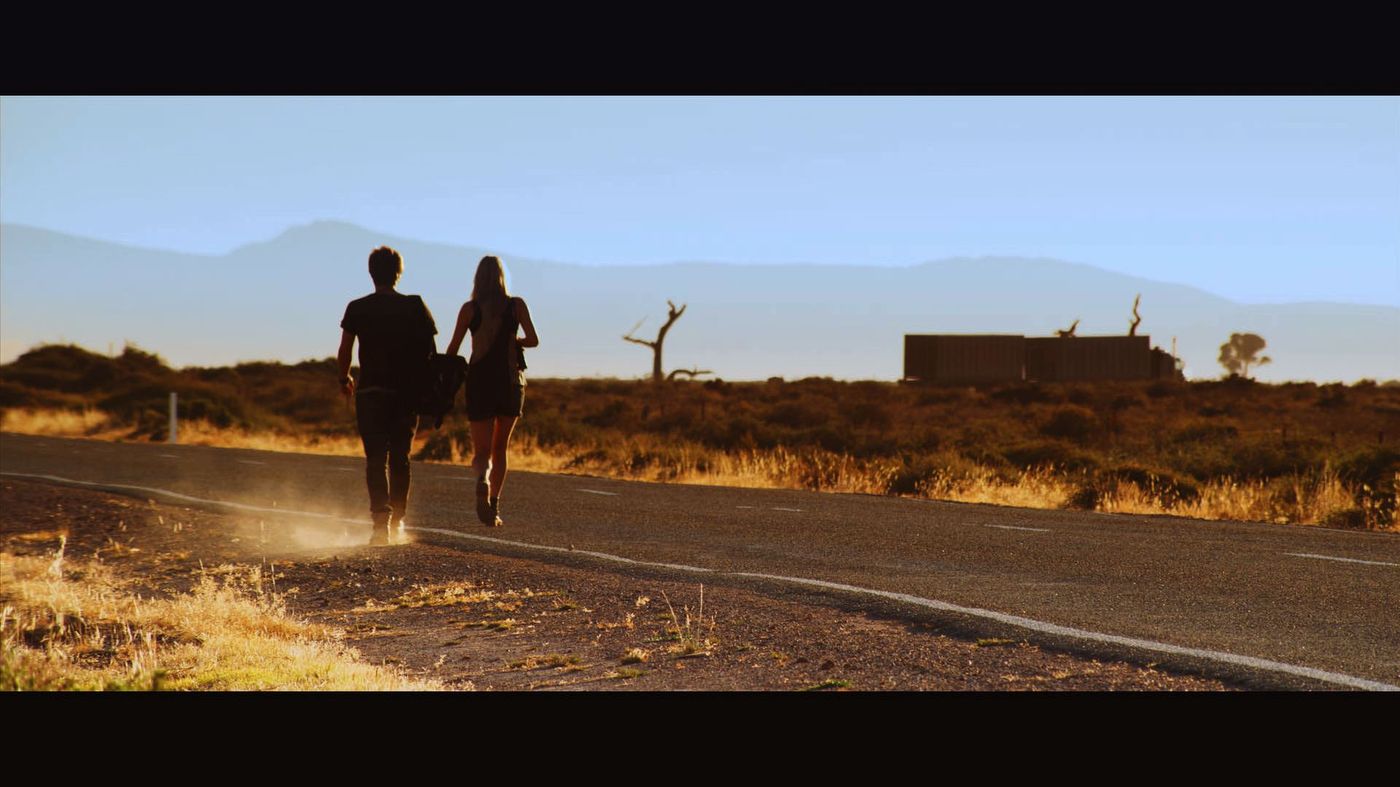
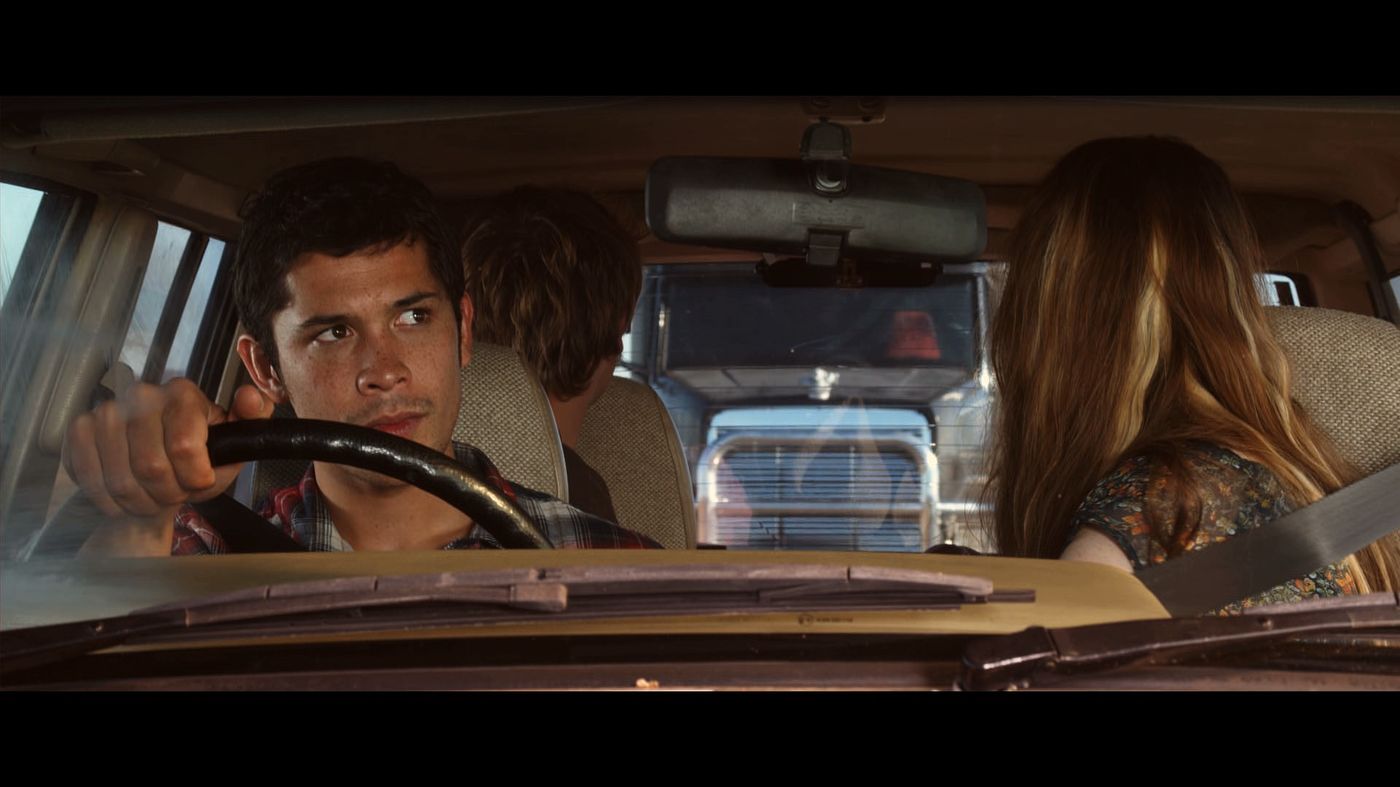
Road Train secured distribution in over 40 countries — the first proof that Dean's independent films could travel. It's a Dean Francis film, not a JJ Splice Films production, but it's the film that made everything after it possible.
Teaching, Between Films
After Road Train, Dean began teaching — filmmaking at institutions including the International Film School Sydney, AFTRS, JMC and SAE, and acting at NIDA, Screenwise and JMC. Years spent in the room with actors and filmmakers-in-training would later shape a large part of what JJ Splice became.
Reborn as a Company
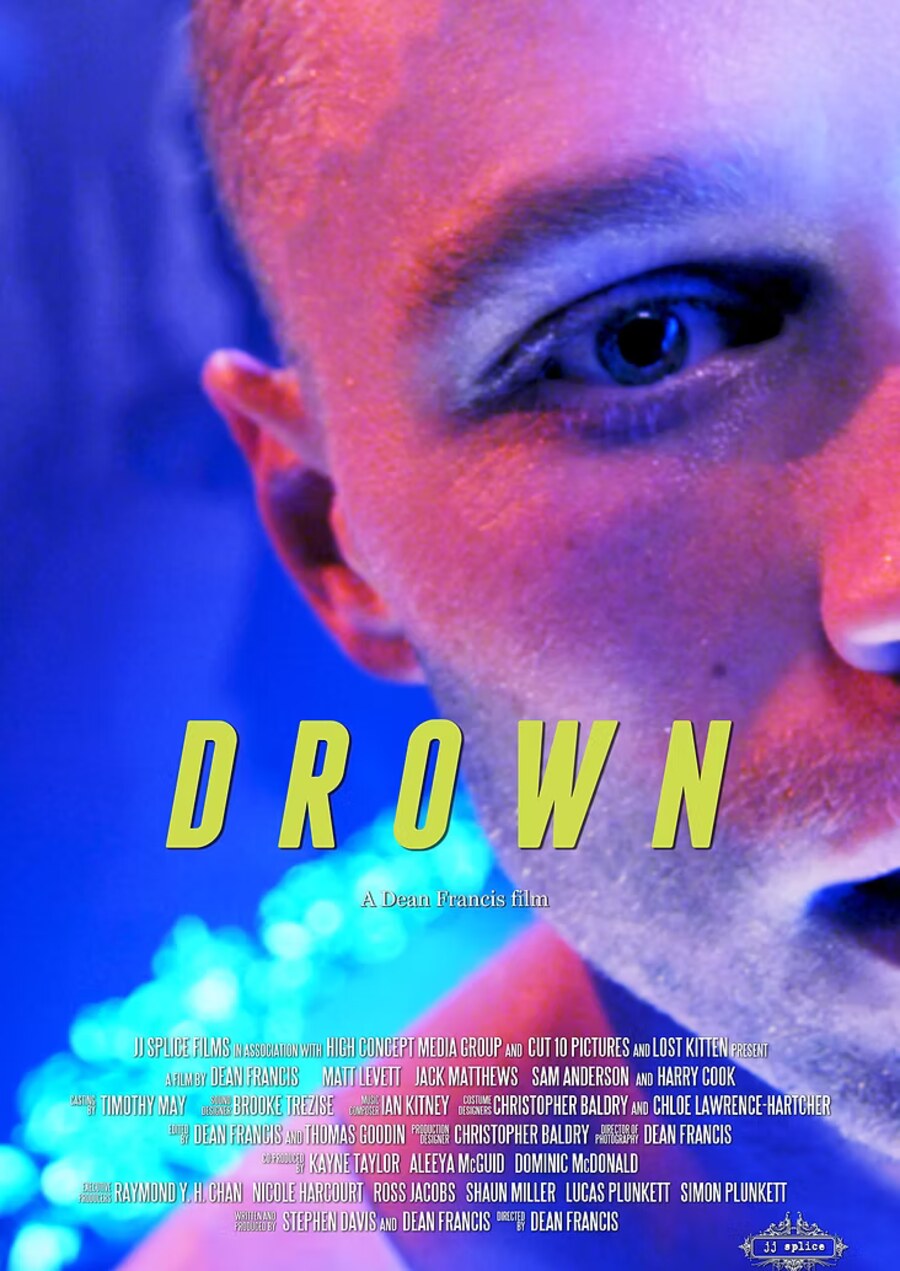
JJ Splice was formally reborn and incorporated in 2012 as the production vehicle for Dean's second feature, Drown, adapted from the play by Stephen Davis. Drown had a substantial festival life and theatrical releases in Australia, the USA and Germany. Around the same time, JJ Splice found a permanent home at 56 Buckingham Street, Surry Hills — a concrete shell transformed into a studio, post-production facility and boutique screening room, which hosted thrice-weekly public screenings of Drown for three months straight.
Becoming a Full-Service Agency
From there, JJ Splice pivoted hard into the commercial world, growing into a genuine full-service digital production and marketing agency — not just a crew for hire, but an end-to-end shop handling strategy, shooting, editing, motion graphics and campaign delivery under one roof. The client list read like a who's who of Australian brands and institutions: Uber, eBay, NSW Health, Merivale and Westpac, among many others, all trusting JJ Splice with high-stakes commercial and marketing content. The team of full-time staff grew alongside the client roster, and JJ Splice invested heavily in its in-house production and post-production facilities at Buckingham Street — building out a studio, edit suites and grading capability that rivalled agencies many times its size. That commercial engine is what is now JJ Splice Digital.
From a Hobby to JJ Splice Artists
Alongside the commercial growth, Dean's real passion was working with actors. What started as a hobby — building bespoke drama scenes to showcase his actor friends' talents — grew into a systematised production pipeline: high-end, cinematic showreels shot in JJ Splice's own facilities, directed by emerging filmmakers under Dean's supervision. This became JJ Splice Artists.
COVID, and Back to Film
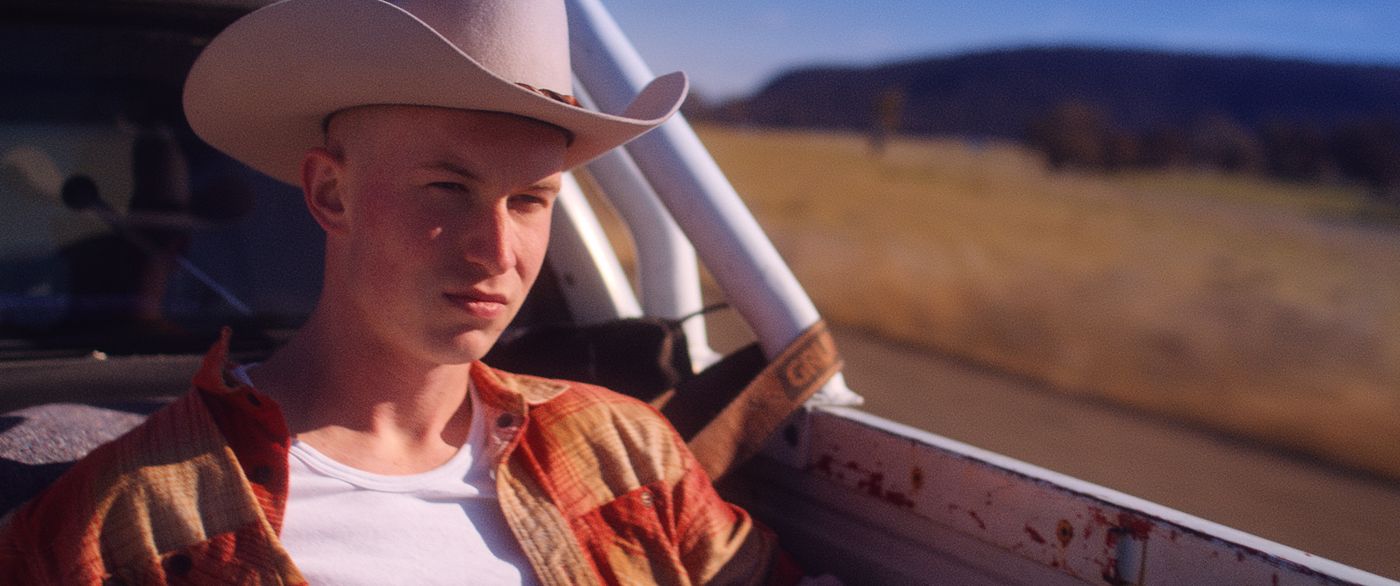
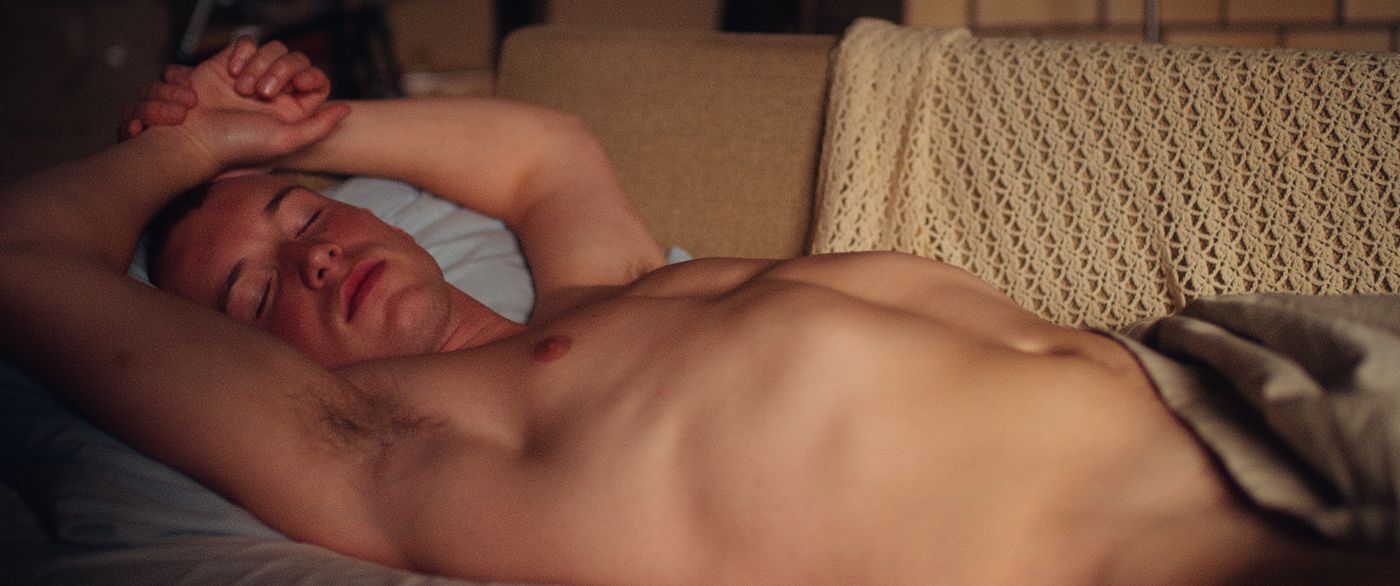
Then, in 2020, COVID hit. JJ Splice pivoted back toward filmmaking, producing a slate of short films including Georgina Haig's Ashes (AACTA-nominated, with Dean as DOP), followed by Lonesome, directed by Craig Boreham and shot by Dean — which also earned an AACTA nomination.
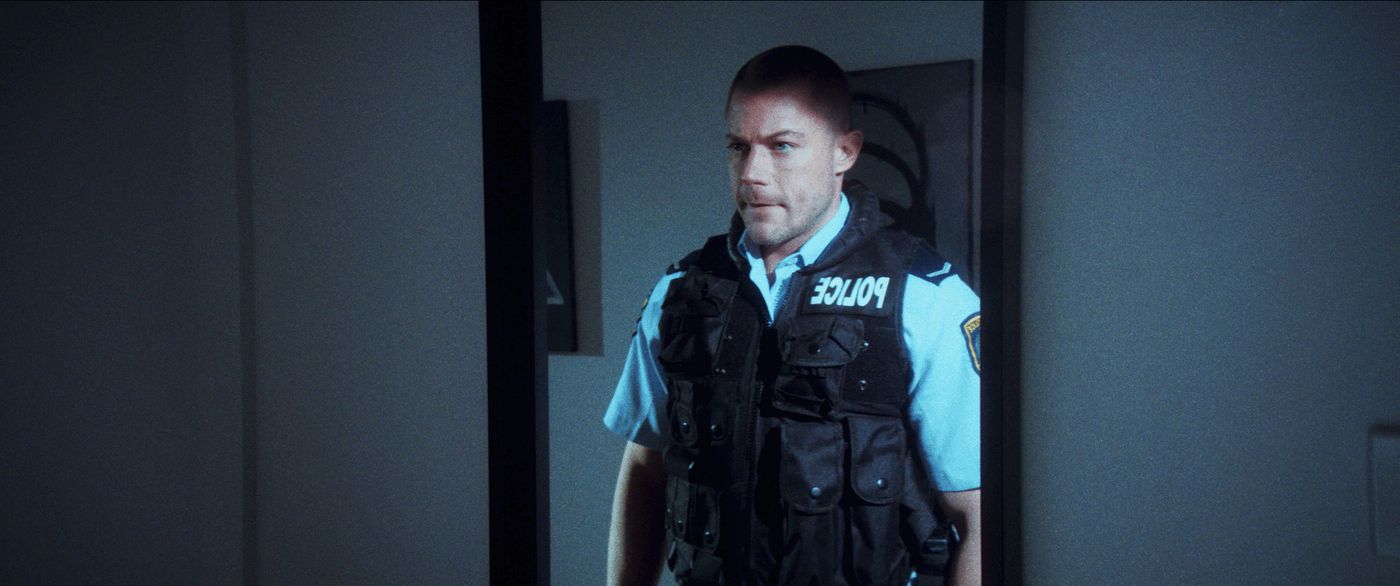
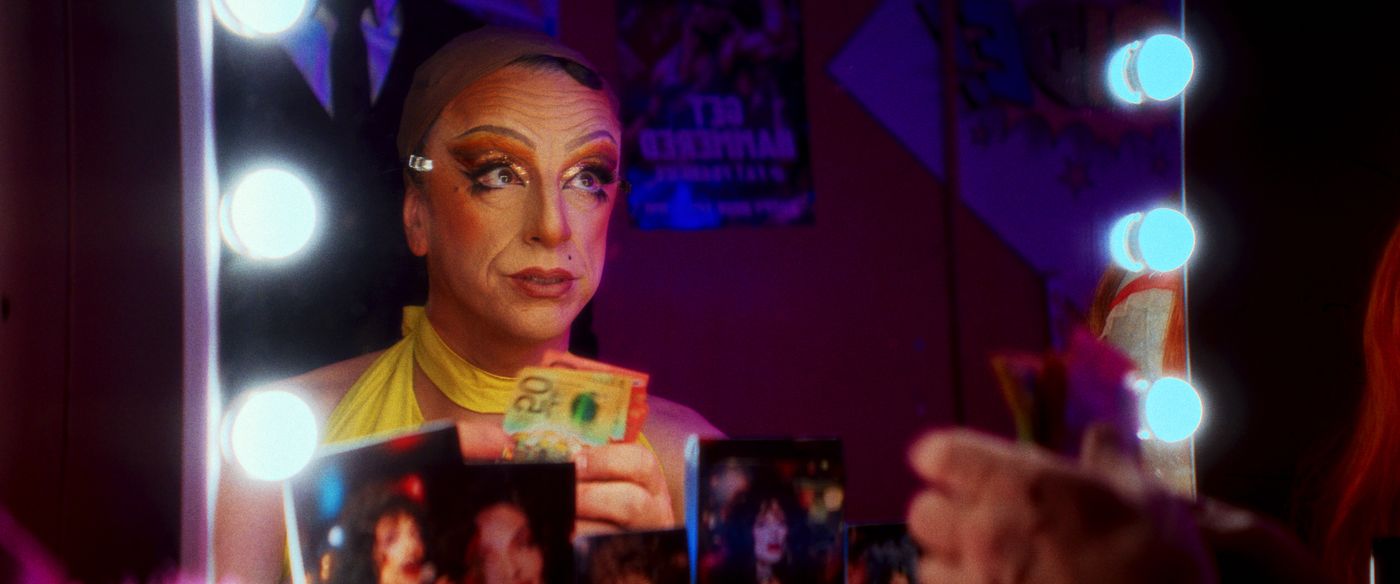
Dean went straight from Lonesome into production on Body Blow: script finished in early 2023, shot in late 2023, and premiering at Fantastic Fest in 2025. The film went on to screen at 36 international film festivals, including the Sydney Film Festival and Melbourne International Film Festival, won Best Director at Fantaspoa, and is set for theatrical release in 2026.
JJ Splice Academy
During the same COVID period, Dean also expanded JJ Splice Artists to include short screen-acting courses. They were popular enough that actors would return to do the course four or five times over. By 2026, Dean had shaped his years of experience working with hundreds of actors into a bespoke curriculum — unique in combining highly practical screen-craft training with the chance to collaborate directly with Dean and his team on real, high-end screen productions. This became JJ Splice Academy.
JJ Splice Today
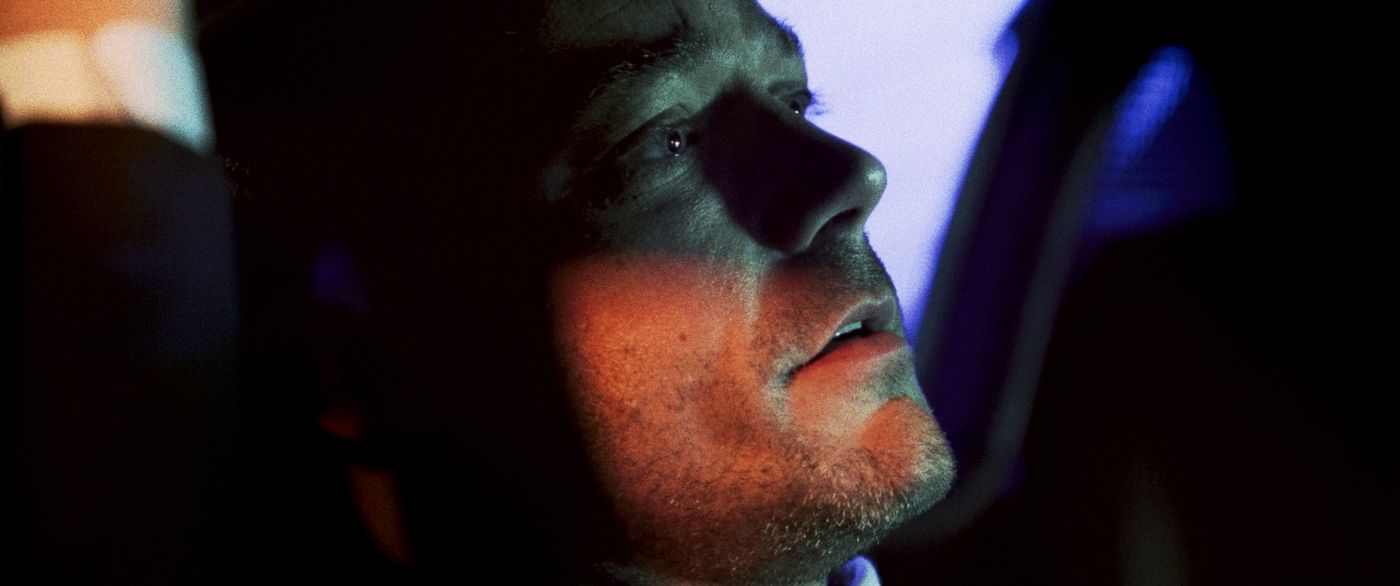
Four divisions, one studio at 56 Buckingham Street, Surry Hills — all traceable back to a cocktail party in a Fitzroy attic in 1998: JJ Splice Films, still making the kind of independent, uncompromising features that travel the world; JJ Splice Academy, training the next generation of screen actors; JJ Splice Artists, producing world-class actors' work; and JJ Splice Digital, the in-house production and marketing agency that keeps it all running.